The Alexander Technique
The Alexander Technique is a gentle, hands-on technique guided by a trained Practitioner who will show you how to improve your posture and the way you move. The aim is to reduce and prevent problems caused by unhelpful habits, and to help you become more aware of your body.
Get in touch
What is it?
The Alexander Technique teaches skills you can put into practise for yourself in everyday life to help manage stress, calm the nervous system and improve wellbeing.
Through the development of body awareness and new focus of thinking, it helps you change unhelpful patterns of tension. It enables greater ease of movement, poise and sense of calm.
What does it involve?
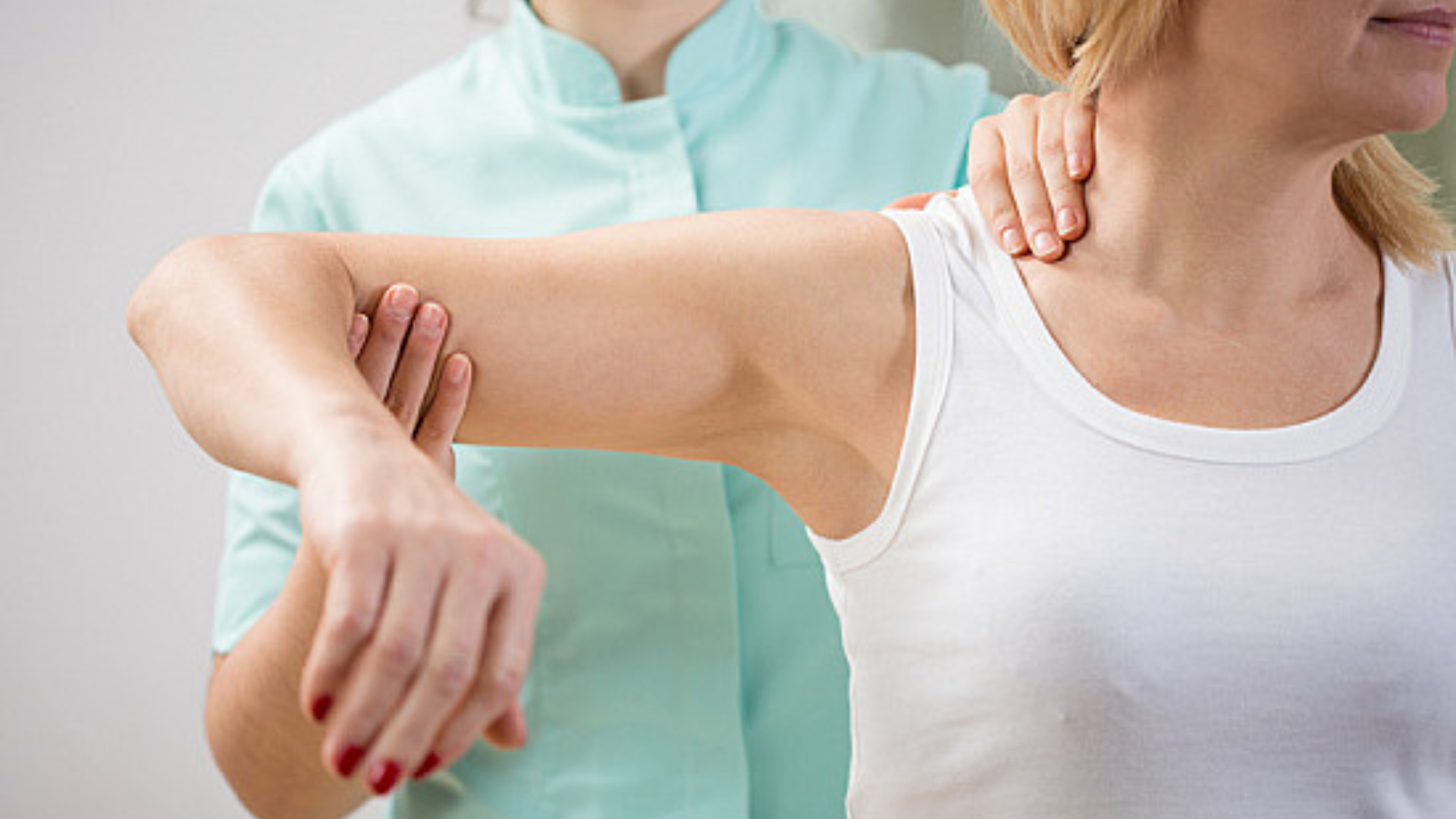
Teachers of the Alexander Technique use quiet ‘hands-on’ touch, observation and voice. Working in stillness and simple movements, you learn to stop, to let go of unnecessary tension, and to find new ways of being and moving.
You remain fully clothed during a session, but you remove your footwear.
An Alexander Technique session is a one-to-one lesson with a certified teacher. It’s not a treatment in the medical sense, but more like guided education in body awareness and movement. The teacher watches how you sit, stand, walk or perform simple, every day movement, before looking for muscular tension and assessing your habitual posture and movement patterns.
The teacher uses gentle, non-manipulative touch to guide you into releasing tension and moving with more ease. You might practice simple tasks, for example, standing up from a chair, lying down, walking, bending, speaking or using your arms. The teacher may guide you in certain positions, aiming to release tension.
Over time, you will hopefully learn to integrate this increased awareness into your daily life.
How can it help you?
The Alexander Technique is a tool that helps people look after themselves and feel more in control. It can help you learn how to move without overstraining or overusing certain body parts or muscles.
It can help with anxiety and stress related conditions such as back, neck and joint pain, muscle tension and stiffness, poor posture and breathing and vocal problems.
It can make every day life easier for people by making tasks - such as walking, sitting, holding or standing - less effortful. It is known to improve body awareness; it helps you notice subtle habits which you can then choose how to respond to.
For more information, you can read more here.